
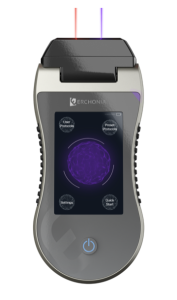
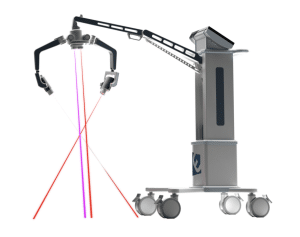
At our advanced chiropractic clinic in Woking, we’re proud to provide innovative and effective treatment solutions for conditions like back pain, neck pain, and temporomandibular disorders (TMD). Among these, the Erchonia low-level laser therapy (LLLT) – often referred to as cold laser or photobiomodulation – is a standout.
Erchonia sets the industry benchmark for LLLT, thanks to its proven efficacy and safety. But what makes this therapy so special?
Understanding Low-Level Laser Therapy (LLLT)
LLLT is a cutting-edge, non-invasive therapy offering a safe and painless avenue to combat pain and accelerate healing. But how does it achieve these impressive outcomes? Let’s break it down.
1. The Science of Photobiomodulation: LLLT operates on the principle of photobiomodulation. This means that the therapy relies on light (photo) to modify (modulate) cellular activity in our body. When targeted tissues absorb the laser light, it stimulates a series of biological reactions that can promote repair and reduce inflammation.
2. Harnessing Laser Power: The laser light used in LLLT isn’t just any light. It’s specifically calibrated to ensure that the body’s tissues, like skin, muscles, and nerves, can absorb it effectively. When these tissues absorb the laser light, it kickstarts a cascade of cellular events.
3. Production of ATP: At the heart of this process is the production of Adenosine Triphosphate (ATP). ATP is like the currency for energy in our body; cells use it to power various functions. The laser light boosts ATP production, ensuring cells have more energy to repair and rejuvenate. More ATP means cells can work harder and faster to heal the targeted area.
4. Broad Spectrum of Application: LLLT isn’t just limited to alleviating back or neck pain. Its ability to stimulate cellular activity makes it a versatile treatment option, suitable for various musculoskeletal conditions, wounds, inflammation, and even neurological conditions like nerve injuries or brain-related disorders.
5. Depth of Penetration: What sets LLLT apart from other light-based treatments is its ability to penetrate deeper layers of tissue. This depth ensures that even tissues not visible or accessible from the skin’s surface can be effectively treated, providing comprehensive healing.
How often do you need to use Low-Level Laser Therapy
The frequency of Low-Level Laser Therapy treatments depends on the specific condition being treated. However, here are some general guidelines:
1. Acute Conditions: For conditions that have occurred recently (like a recent sports injury), treatments may be recommended daily or every other day. This is to quickly manage inflammation and pain and kickstart the healing process. Once improvements are observed, sessions can then be spaced out.
2. Chronic Conditions: For longstanding or chronic conditions (like osteoarthritis or chronic low back pain), treatments might start with 2-3 times a week, and as the condition improves, treatments may be reduced to once a week or even less frequently.
3. Duration of Each Session: An individual LLLT session typically lasts between 5 to 20 minutes, depending on the size of the area being treated and the specific protocol being used.
4. Overall Duration of Treatment: The total number of sessions required varies widely based on the condition. Some people might experience relief after just one or two treatments, while others might need 10-15 sessions (or more) to see significant results. For chronic conditions, ongoing maintenance sessions might also be recommended.
5. Individual Variability: It’s essential to understand that everyone’s body reacts differently. While some individuals might see rapid improvements, others may take longer. The practitioner often evaluates progress and adjusts treatment frequency based on individual response.
6. Combination with Other Therapies: Often, LLLT is used in conjunction with other therapies, like physical therapy or chiropractic adjustments. When used as a complementary treatment, the frequency of LLLT might be adjusted based on the overall treatment plan.
7. Post-treatment: After the initial series of treatments, some patients might return for periodic maintenance sessions or if they experience a flare-up of their condition.
LLLT vs LED: Which is more effective?
Both low-level laser therapy (LLLT) and light-emitting diodes (LED) are known for promoting healing and reducing pain. However, evidence suggests that LLLT is the superior choice.
Erchonia, the LLLT provider we trust, boasts 22 out of 23 FDA (Food and Drug Administration) approvals. This highlights the FDA’s recognition of the safety and effectiveness of the Erchonia laser for a broad spectrum of 23 different conditions. In contrast, LED devices only have approval for ‘topical heating’, which primarily serves to increase blood flow by heating the tissue. However, this does not deliver the multifaceted benefits associated with laser therapy. The FDA’s endorsement is underpinned by a series of double-blind, placebo-controlled trials where LED devices were used as a placebo. Time and again, these trials have underscored the superior efficacy of LLLT compared to LED therapy.
This superiority can be attributed to several factors. The coherent, monochromatic beam of laser light penetrates deep into tissues, targeting specific areas for more effective treatment. Each wave of this light has the same length and intensity, resulting in better absorption.
Furthermore, the 635nm wavelength of the laser light used in LLLT is absorbed more efficiently by haemoglobin in the blood. This leads to increased oxygen delivery to the tissues, promoting more rapid healing. On the contrary, LEDs typically use a wavelength above 800nm and work mainly by heating up the injury site, increasing blood flow but offering less targeted treatment.
Interested in LLLT for Pain Relief?
If you’re considering low-level laser therapy (LLLT) or have questions regarding its application and suitability for your condition, we encourage you to contact us. Our expert team in Woking is ready to guide you towards a pain-free life.
Comments are closed